Toilet refills between flushes? What to check
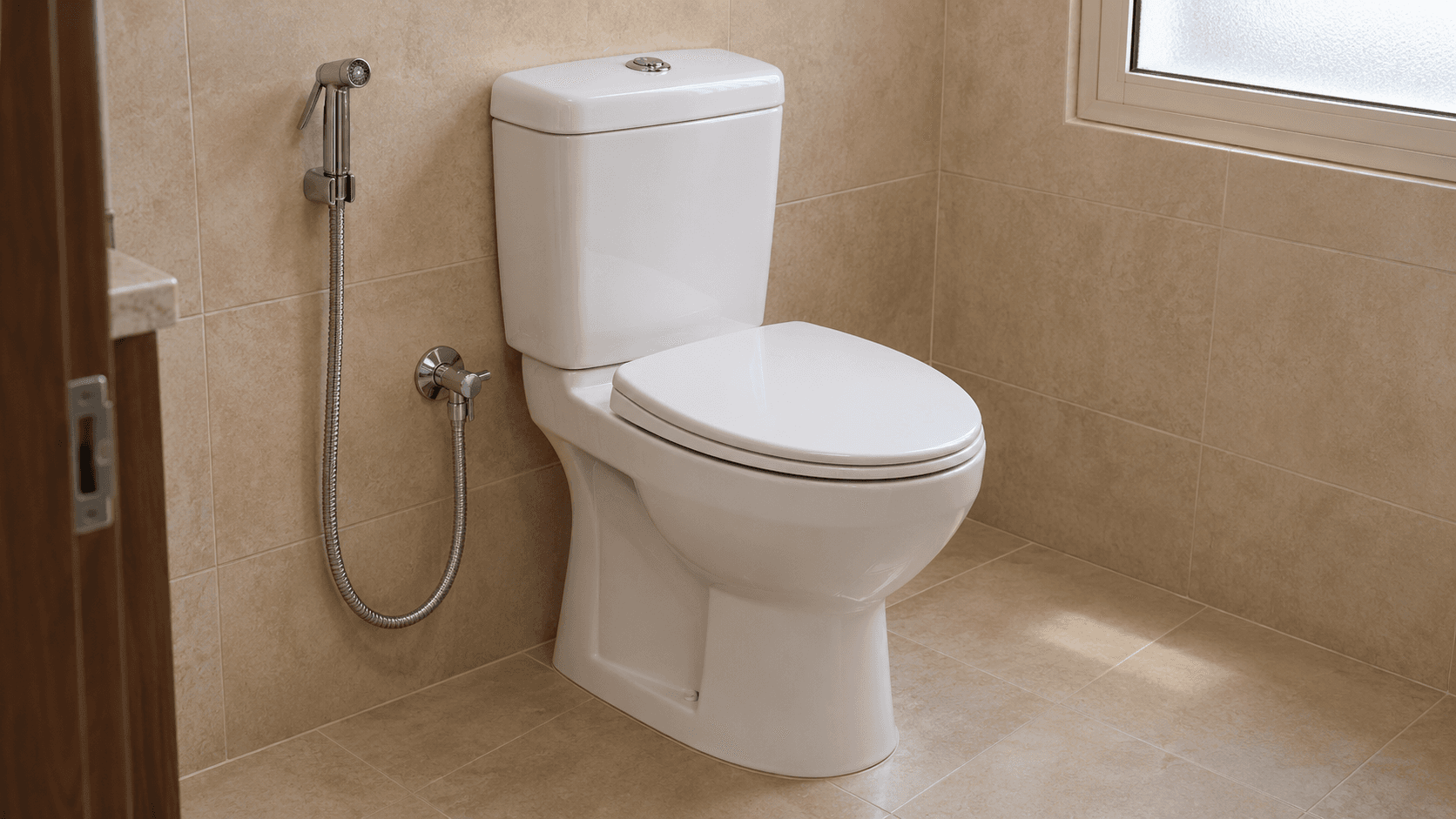
You're walking past the bathroom when the toilet makes the same short refill sound it makes after a flush. Nobody used it. If it happens again later, pay attention to when it starts, whether the sound stops, and where the water is going. A toilet can lose water into the bowl while the floor stays dry.
Note when the refill restarts, check for movement inside the bowl and report any water on the floor separately.
Listen after the tank has finished filling
After a normal flush, wait for the refill to stop. Then leave the toilet unused for a while. The useful clue is a fresh refill sound that starts on its own after the bathroom has gone quiet. Write down roughly how long the quiet interval lasted and whether the sound comes in bursts or continues. Kohler’s guide to occasional running explains that a tank losing water can drop far enough for the fill valve to start again. A worn seal is one possibility, but the sound alone won't tell you which part needs attention.
Look at the bowl and the floor separately
Once the water has settled, look for a faint ripple or trickle coming down the inside of the bowl. Note any water on the floor or around the supply hose separately. If the floor is wet, a plumber will want to know whether the water appeared after flushing, after using the handheld bidet sprayer, or while everything was idle. Note what you already saw, without repeating a flush to chase an active leak. If the bowl is rising or water is spreading onto the floor, stop using the toilet and seek prompt help.
Try a colour check if the tank is easy to access
If your model has an easily opened tank and its instructions allow it, the EPA WaterSense method uses a few drops of food colouring in the tank after it finishes filling. Wait 10 minutes without flushing. If colour reaches the bowl, water is passing from the tank into the bowl between flushes. Flush promptly at the end to reduce the chance of staining. This optional check is for a toilet that's otherwise flushing normally and has no overflow or water on the floor.
Leave concealed parts and stiff valves alone
If the tank is inside the wall, or the lid won't lift easily, skip the colour check. Tell the plumber there's a concealed tank and send a photo of the flush plate if you can. The brand and model number are useful if visible or in the paperwork. You can give the plumber a clear description even without opening anything. Leave any stiff shutoff valve or unfamiliar fitting for the plumber to assess.
Send a note that separates observations from guesses
For example: “The guest bathroom toilet refills briefly about 15 minutes after a flush. I could see a slight ripple in the bowl between flushes, but the floor around it was dry.” That note gives the location, timing and visible clue. If the symptom doesn't show up when the plumber arrives, a short recording from the doorway can help them understand what you heard.
Ask what to watch for after the visit
If the refill keeps returning, check Tasko’s plumbing inspection listing and describe the symptom before booking. Ask the plumber to confirm the toilet flushes and refills normally and tell you what to watch for between flushes. If the water is under a basin instead, use our guide to describing water under the sink.