Lift stops above or below the floor? What to report
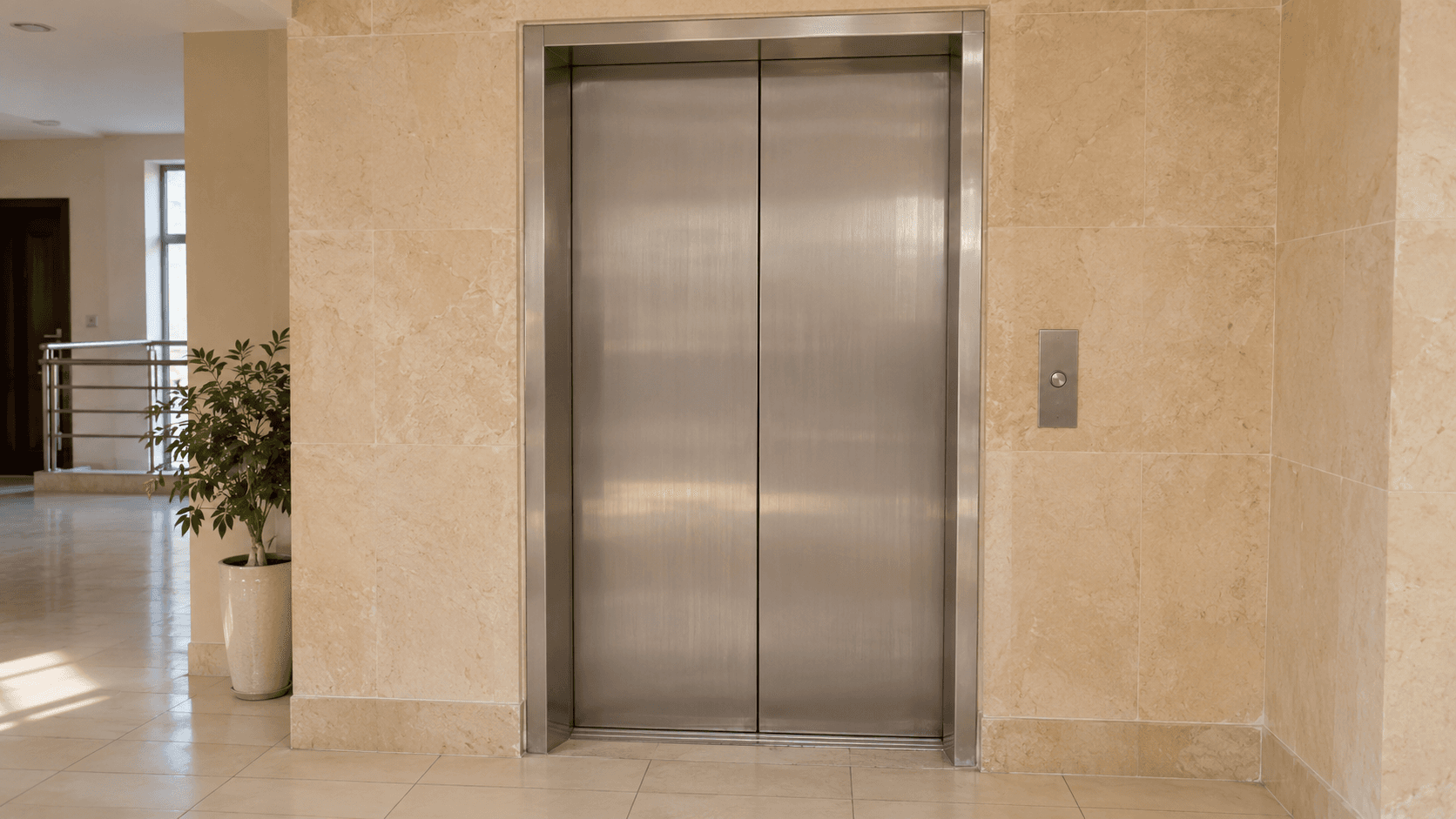
The lift doors open at your floor, but the cabin floor is sitting noticeably lower than the hallway. Someone carrying groceries might only see the step at the last moment. Leave that lift alone and report the difference to building management. A clear description helps the maintenance team know where to start, even if the lift is level by the time they arrive.
Stay clear of an uneven lift doorway, report the floor and lift number, and use emergency help if someone is trapped.
Stay clear of the doorway
If you're on the landing, stand back and let the doors close. Avoid stepping in to see whether the cabin will move back into place. If you’re already inside and the cabin is visibly out of level, stay clear of the doors and use the alarm, intercom or phone for help. Wait for qualified assistance before trying to get out. Otis’s guide to lift problems identifies the unexpected step at the doorway as a risk to passengers, particularly people who have difficulty stepping over it.
Treat a trapped passenger as urgent
If you’re trapped, use the cabin’s emergency communication system to get help. If you’re outside and someone is trapped, call emergency services and give the building address and lift identifier if known. Otis’s guidance for a stopped lift says to leave door opening and rescue to qualified responders. In Saudi Arabia, the official emergency guide lists 911 for Makkah, Madinah, Riyadh and the Eastern Province, and 998 for other regions. A routine inspection booking is for a later assessment, after any immediate danger has been handled.
Write down the floor and which lift it was
Give management the building entrance, the floor where the doors opened, and the lift's number or location. In a building with two lifts side by side, “the lift on the left when facing them from the lobby” is more useful than “the main lift.” Say whether the cabin was above or below the hallway and note the time. If you already know which direction you were travelling, include it. A rough description from a safe place is enough. Let the technician make any measurements.
Report what you saw the first time
Say whether the doors opened fully or whether you noticed any unusual noise or movement. Avoid riding again for a second look. Here’s an example for a resident who saw the problem from the hallway: “At around 7:15 p.m., the left lift opened at level 3. The cabin floor was lower than the hallway. I stayed outside and reported it to reception.” That gives maintenance a usable record without guessing what went wrong.
Ask about an accessible alternative
Tell management if someone relies on that lift for step-free access. Ask which entrance or other lift they can use while the issue is checked. If there’s no suitable route, ask management to contact the affected residents directly with an update and discuss practical arrangements. Ask when the building will confirm that the lift has been assessed and cleared for use.
Arrange an inspection through the person responsible for the lift
Share the report with the building manager, owner or maintenance contact so they can coordinate access and speak to the lift service provider. For a routine assessment, the person arranging service can check Tasko’s elevator inspection listing and confirm the visit scope. Our guide to preparing for a service visit has other details worth sending before a technician arrives.